Skip to content

Headline Information on Two Lines Styling. Headline Information on Two Lines.

Fishing boats and fishermen are supported by a wide range of shoreside businesses. Women have always been central to this work, particularly in seafood processing, bookkeeping, and office management. Today, women are also employed as welders, riggers, marine electronics specialists, mechanics, gear manufacturers, and more. Women are leaders in specialty fields including maritime law, boat brokerage, and marine insurance. Additionally, women own fishing boats and fishing industry businesses. Many who learned the ropes from their fathers and mothers, then took over these companies.

Crystal Vaughan fishes offshore as Mate on the F/V Reliance, a New Bedford scallop boat. After stints in fisheries science and a job on shore doing mechanical work, she opted for a life at sea, “to do this job wholeheartedly, you gotta really enjoy the job more than the paycheck.” (quote from an interview with New Bedford Standard Times)

PHOTO BY PHIL MELLO

Aubrey Ellertson Church, a Research Biologist with the Commercial Fisheries Research Foundation, measuring a lobster.

PHOTO PROVIDED BY AUBREY ELLERTSON CHURCH
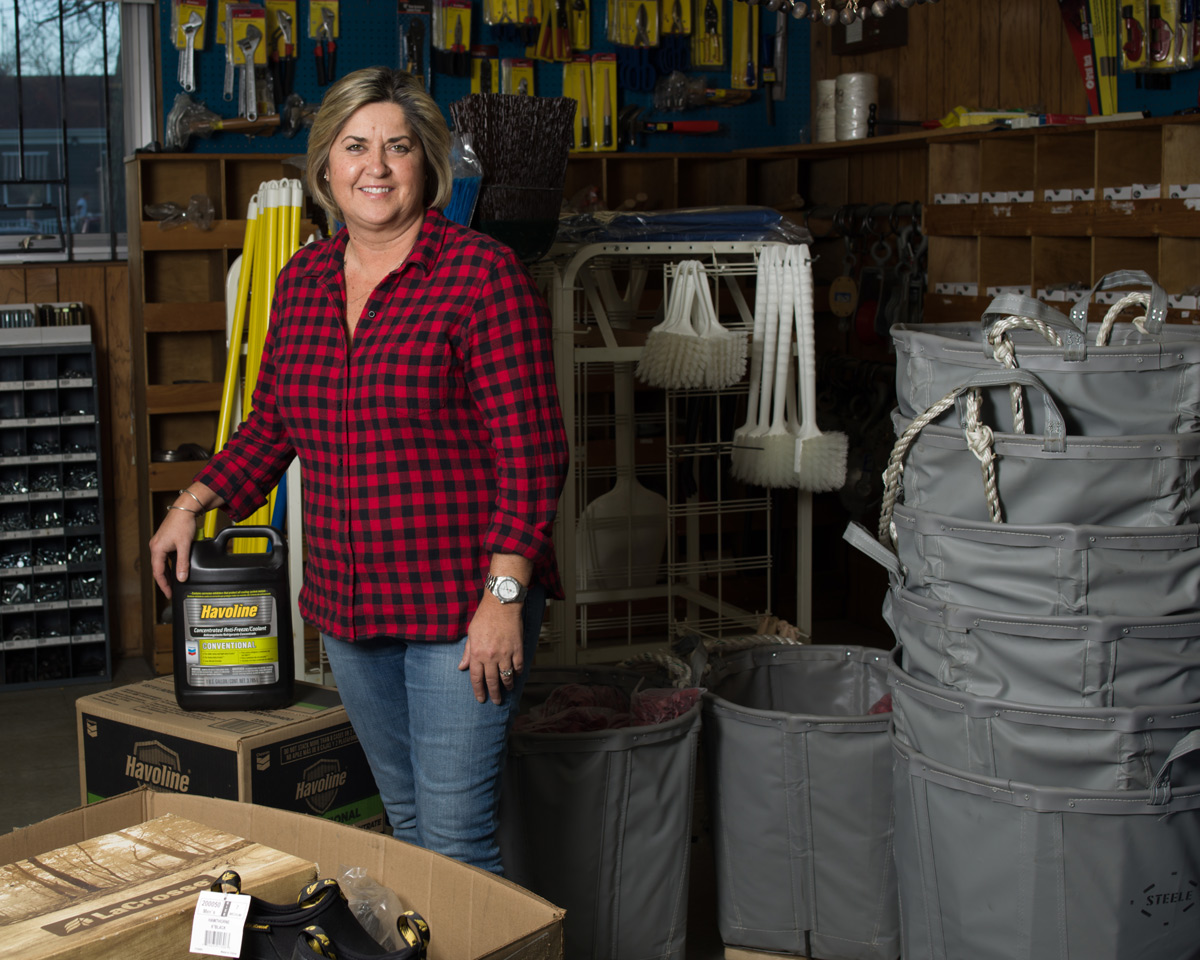
Usually, our trap season starts by April 1st. We call everybody in and we start going through the gear. Usually by the last week of April the traps are in and we’ll be fishing. Overnight the scup will show up, and then it’s full 14-hour days for me. That usually lasts up to about six weeks as far as volume goes. We can catch up to a million pounds of scup in a very short time. We try to stretch out the season as long as we can. Some years we’ve actually finished up in July because we’ve caught-up the striped bass quota so early and there is no reason to keep the traps in, and other years we’ve fished into October.

Corey Wheeler-Forrest, Trap Fisherman, Pt. Judith, RI Photo by Markham Starr.

Back To Top